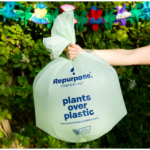
PLANTS OVER PLASTIC! PLANTS OVER PLASTIC! PLANTS OVER PLASTIC! It's a rallying cry I would love to shout from the tops of mountains and the rooves of tall buildings. Fortunately, I don't have to, as Repurpose is doing the work keeping our households eco-friendly. It's the number one selling brand at Whole Foods for trash bags, and they really are the best! This woman-led company is on a … [Read More...]

Convenient Plastic Container Free Dropps Laundry & Dishwashing Pods
Wow! It's been 15 years since we originally reviewed dropps eco-friendly laundry pods (original post here) Over the years, the company, as well as myself, has made improvements on their product and packaging. No longer do the pods come in a plastic pouch. Now they come in a compostable, reuseable, recyclable cardboard box that even has a child safety lock, and they got rid of the blue color. Plus, … [Read More...]
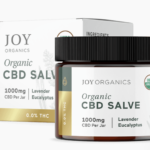
CBD Products that Actually Deliver: Joy Organics
From insomnia to nervous dogs, describe any ailment to a friend these days, and you are likely to be asked, "Have you tried CBD?" I admittedly have responded this way, but in my own experience, CBD hasn't panned out to fix what ails me. In fact, I have repeatedly referred to it as the snake oil of the 21st century. I've tried supposedly high quality CBD products for inflammation and sleep … [Read More...]

The Most Comfortable Underwear is Made of Hemp: WAMA Review
Finding comfortable underwear that stays in place is challenge. I have spent so much money trying different brands and shapes. Due to the personal nature of undergarments, it's frustrating to shop for as you can't really try them on in a store, and most places do not accept returns. That's why I was completely amazed when I tried on the WAMA hemp underwear and bra, and they were perfect! Blown … [Read More...]
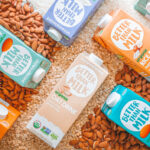
Simple Organic Ingredients: Better Than Milk
Milk alternatives are abundant in grocery and health food stores, but not all of them are created equally. Flavor and quality ingredients are important considerations when selecting a product; however, what really matters to me...how does it taste in my coffee! We were sent samples of Better Than Milk organic, dairy free, and gluten free alternative milk drinks. Better Than Milk Organic … [Read More...]
Featured Posts

Adventerra Children’s Games Teach & Inspire Environmental Activism
Children love to play games! As adults, we still remember fondly the games of our childhood and the time spent with friends and family playing them. … [Read More...]
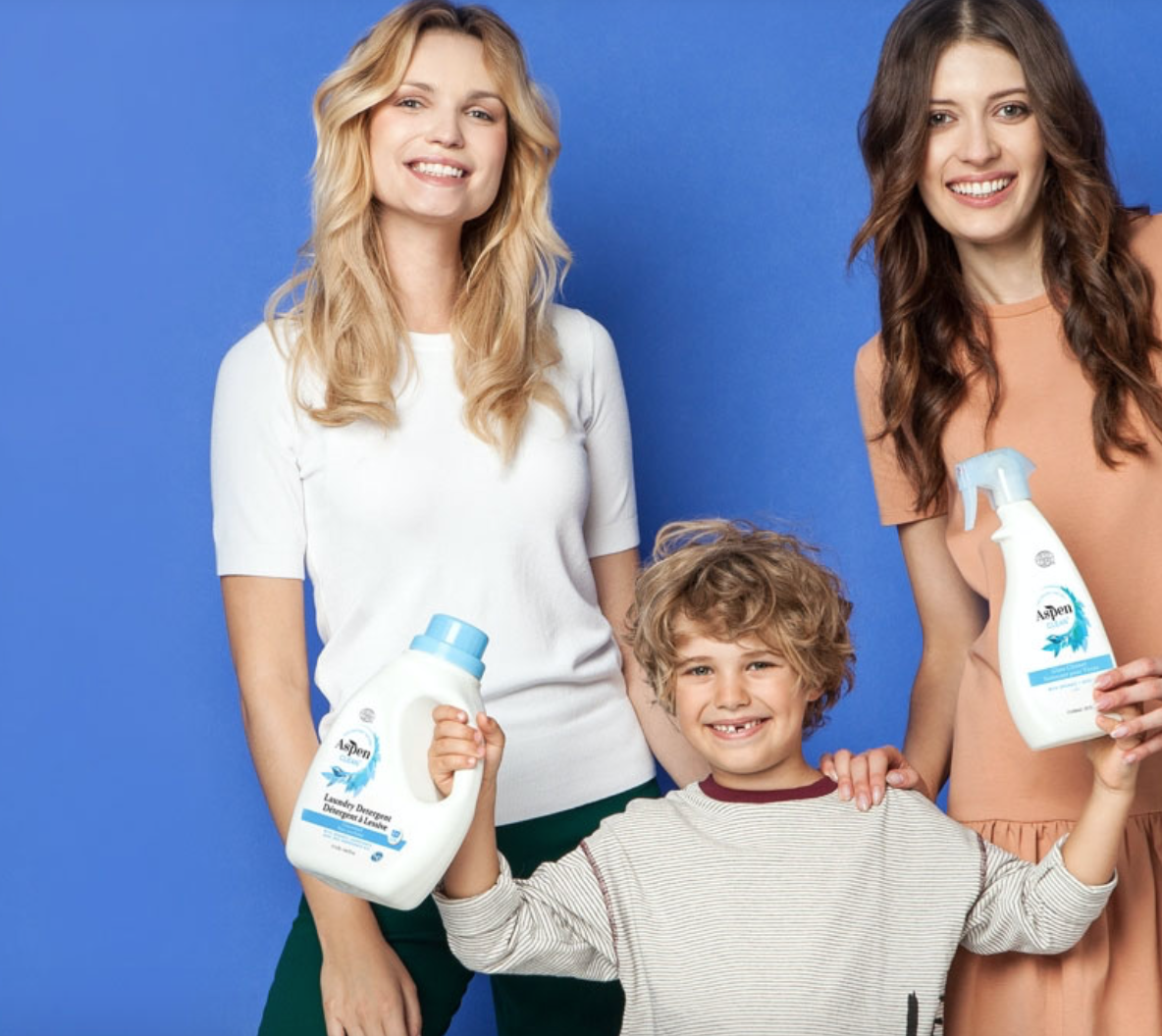
AspenClean: Premier Cleaning Products & Service for the Eco-Conscious
Our grandmothers, or great grandmothers depending on your age, used to make their own cleaning products out of simple, safe ingredients. The shift … [Read More...]
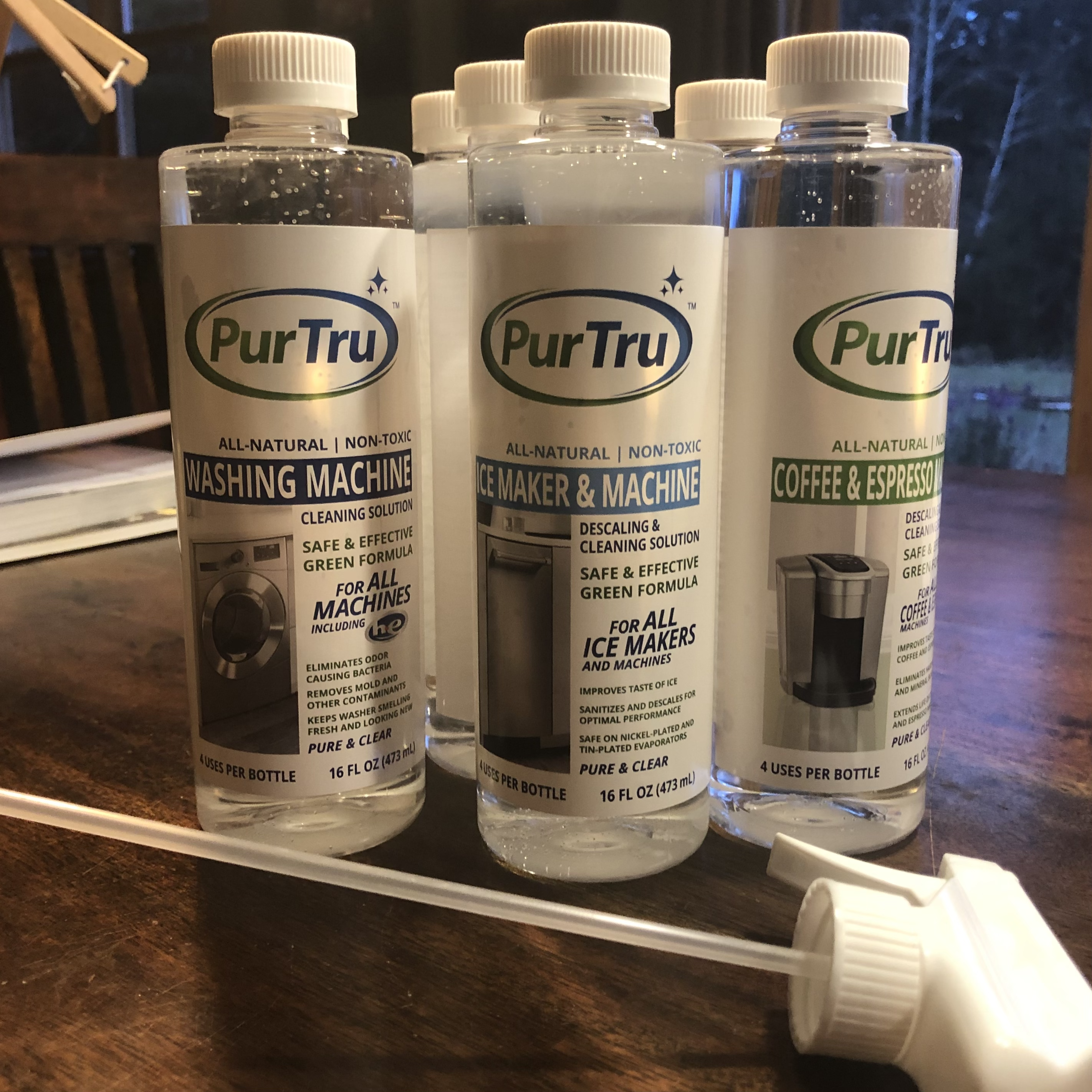
Naturally Clean Appliances with PurTru All-Natural Cleaners
It may seem like there are a lot of natural cleaning products on the market currently, yet when it comes to the tough job of removing build up from … [Read More...]
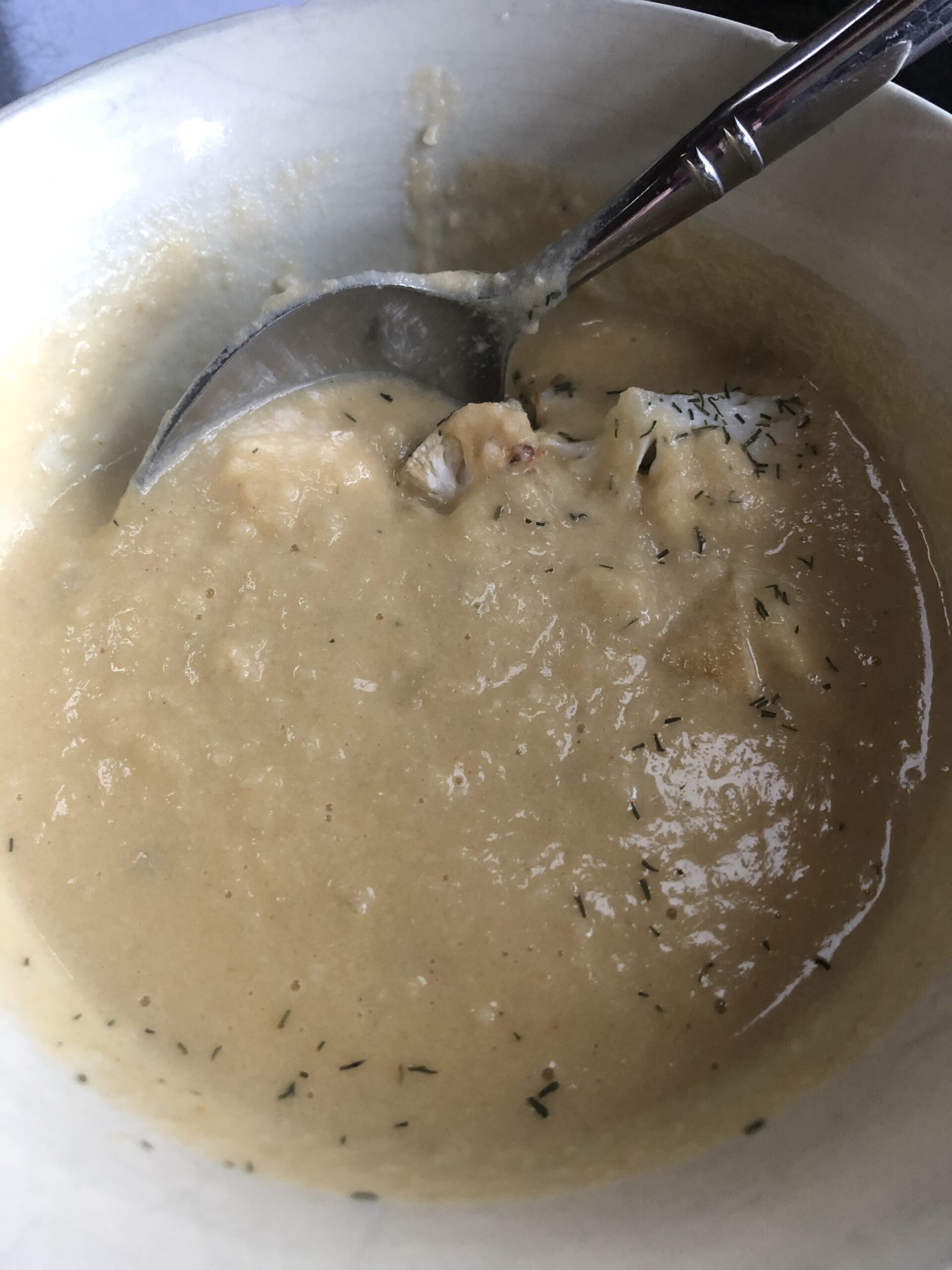
Vegan Creamy Cauliflower Tahini Bisque
This unique soup is so delicious and is even better the next day! It is perfect for a winter day or when cauliflower is abundant in the garden. It is … [Read More...]
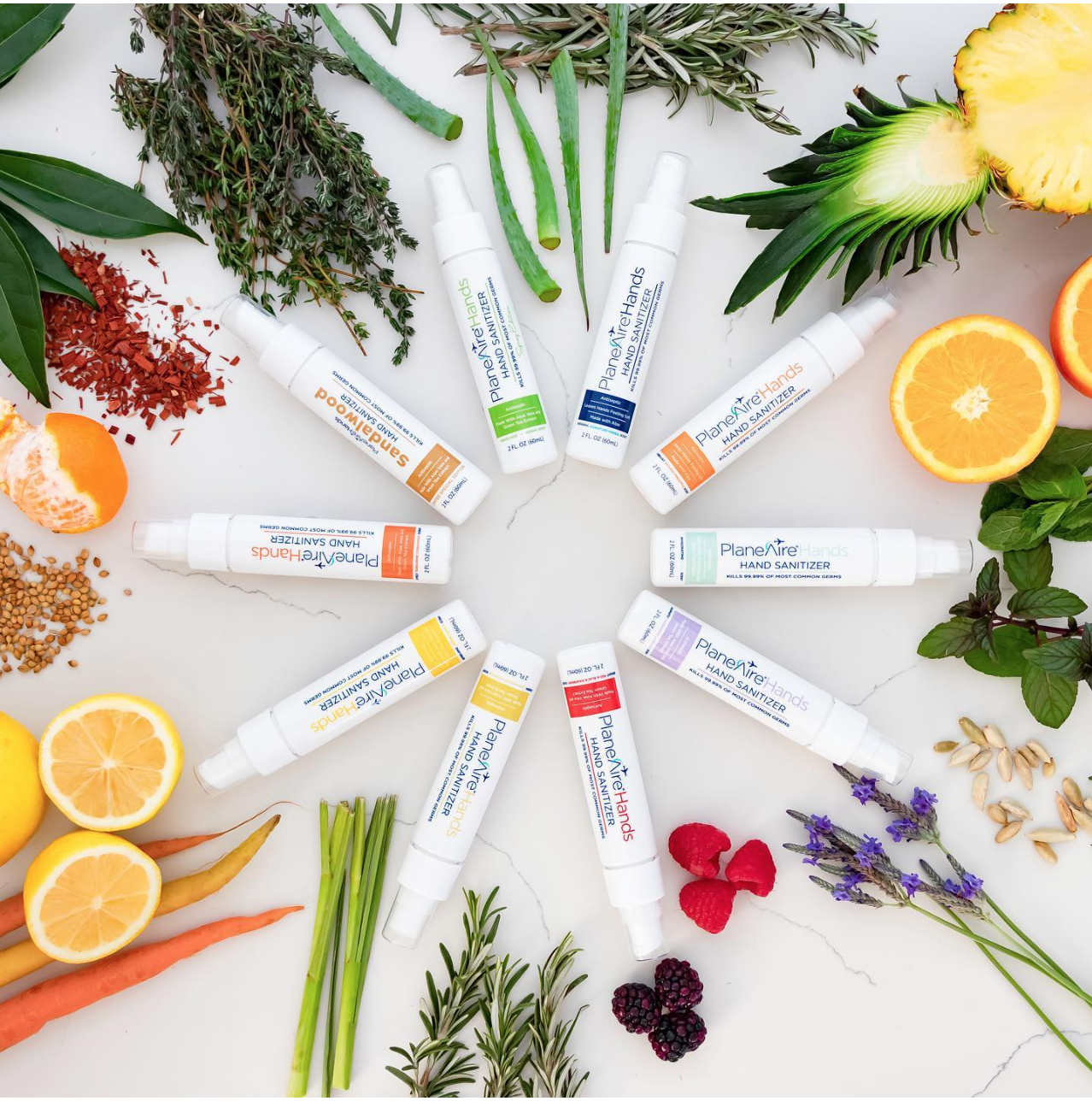
Uniquely Scented, Soothing Hand Sanitizer with Integrity: New Vegan PlaneAire Hands with Aloe and Green Tea
We've reviewed a lot of hand sanitizers over the years but never during a pandemic when the stakes are so high. If you weren't a user of hand … [Read More...]

It’s Time to Quit Plastics and How to do It
Microplastics have been found from the top of Mt. Everest to newly formed beaches in Hawaii. I am constantly picking up small pieces of plastic in … [Read More...]